Navigating Airport Security: Handy Tips & Guides
Air travel can be a thrilling experience, especially for first-time fliers. Yet, there's one part of it that everyone, first-time and frequent fliers alike, tend to find rather challenging - airport security. To help you navigate this process efficiently, we've compiled essential tips about TSA regulations, what you can and can't bring on board, the security process, and more.
What are TSA regulations?
The Transportation Security Administration (TSA) is an agency of the U.S. Department of Homeland Security that's responsible for ensuring the security of travelers in the United States. It has set rules that all passengers must follow to ensure everyone's safety on flights.
It's crucial to be aware of these regulations as failure to comply can lead to delays and complications. Let's explore some basic TSA rules:
-
Passenger Identification: All passengers aged 18 and older must present a valid ID at the airline check-in and the security checkpoint. Suitable IDs include Driver's license, Passport, military ID, or a DHS trusted traveler card like Global Entry or NEXUS.
-
Rule of Liquids, Aerosols, and Gels (LAGs): The LAGs must be in 3.4 ounces (100 milliliters) or smaller containers. All containers must fit into a single one-quart-sized resealable clear plastic bag.
-
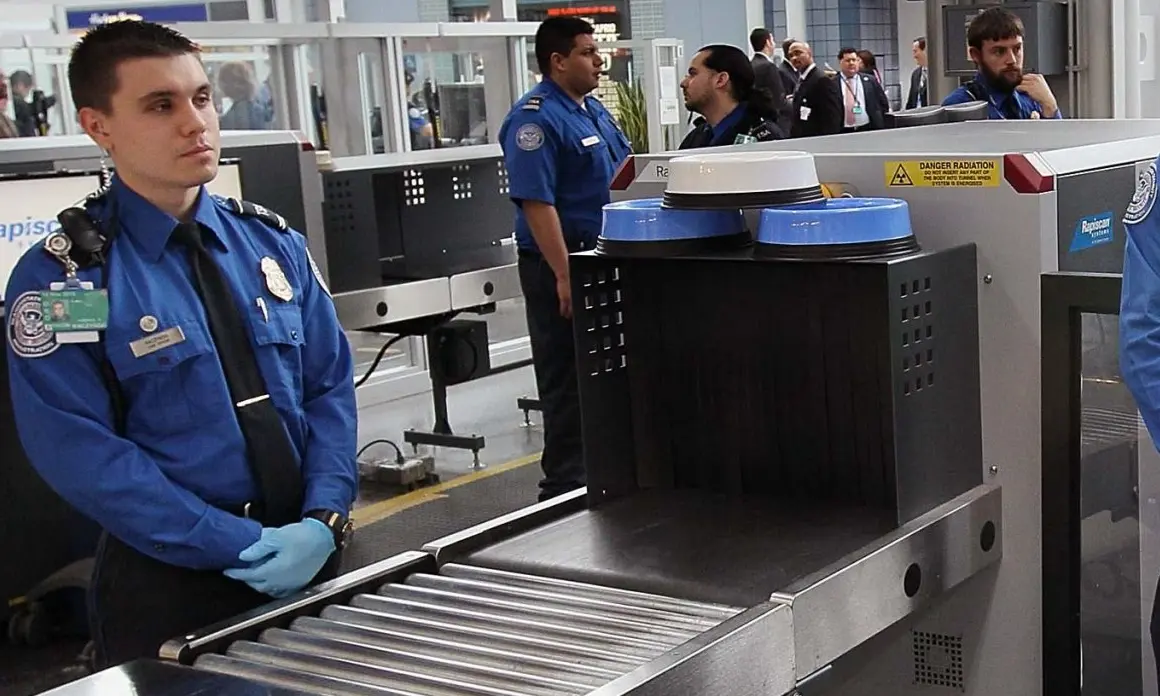
Screening: All passengers must undergo screening at the security checkpoint. This includes a walk-through a metal detector and possibly a pat-down.
-
Prohibited Items: Certain items are not allowed beyond security checkpoints or on the plane, including weapons, flammable objects, and certain tools.
What can I bring on board?
Understanding what you can bring on board can save you from potential confusion and stress at the airport security. Here are some general guidelines:
-
Personal Items: One personal item like a laptop, purse, or a small backpack is typically allowed.
-
Carry-on Baggage: One piece of carry-on luggage is also permitted. The size and weight restrictions vary depending on the airline.
-
Duty-free Items: If you’ve purchased duty-free liquids internationally in a secure bag, you can bring it on the plane.
-
Medications and Special Needs Devices: Prescription medications and other medical needs, including needles, are usually allowed on board. You should declare these items at the checkpoint.
-
Food: Solid food items and certain drinks purchased after passing through the security checkpoint are generally allowed on board.
Remember, it’s crucial to check with your airline before packing, as rules can vary for different carriers.
How can I smoothly navigate the security process?
The following tips might help you navigate the airport security process more smoothly:
-
Arrive Early: Arrive at least two hours early for domestic flights and three hours for international flights. This gives you ample time to check in, go through security, and reach your gate.
-
Dress Smart: Avoid wearing clothes and jewelry that contain metal. You’ll be required to remove them during the screening process. Also, wear shoes that are easy to put on and take off.
-
Organize Your Carry-on: Organize your carry-on luggage so that liquids and electronics are easily accessible. You’ll need to remove these items for separate screening.
-
Follow Instructions: Comply with the instructions given by the TSA officers. They are there to ensure your safety.
Can I expedite the security process?
Yes, you can. Enrolling in TSA PreCheck or Global Entry can help expedite the security process. These programs pre-screen travelers, allowing them to go through security without removing shoes, laptops, liquids, belts, or light jackets.
What if I have a medical condition?
TSA provides assistance to people with disabilities and medical conditions. You can call ahead of time to inform about your condition, and TSA agents will guide you through the process with care and discretion.
In conclusion, while airport security may seem daunting, a little knowledge and preparation can make your journey smoother. Understanding TSA regulations, knowing what items are allowed on board, arriving early, dressing smartly, and potentially applying for expedited programs like TSA PreCheck or Global Entry can go a long way in hassle-free air travel. And remember, cooperation and patience can single-handidly make the entire process more comfortable for you and fellow travelers. Safe Journey!