Budget Travel Secrets: Discover Affordable Ways to Wander
For many, the spirit of wandering is dampened by the perceived high costs of travel. However, seasoned travelers will tell you that exploring the world need not be a luxury. With the right know-how, budgeting tips, and travel hacks, you can experience the wonders of the world without breaking the bank. This comprehensive guide is curated to help you uncover the best secrets to affordable travel.
Understanding Budget Travel
Budget travel is all about slicing costs wherever possible without sacrificing the quality of your adventure. This entails being conscious of your financial decisions, being flexible, and being open to different travel options. While budget travel might require some sacrifices, it should not obstruct the overall travel experience. Whether it's low-cost accommodation, cheap travel routes, or affordable food, every bit counts in adhering to a specific budget.
What is budget travel and how does it work?
Consider budget travel as a financial philosophy applied to traveling. It involves making strategic choices on every aspect of the trip to fit within a specific budget. While some might see budget travel as constraining, many find it as a way to be creative and concise.
Definition of Budget Travel
Budget travel is a financial strategy in travel planning where costs are minimized through various means. It doesn't necessarily mean compromising on the quality of the experience but focuses on optimizing spending. This approach requires thorough research and smart choices in accommodation, transportation, food, and activities.
Planning and Research
The key to successful budget travel lies in meticulous planning and research. This involves comparing prices for flights, accommodation, and activities, and looking for discounts or off-season deals. It also includes understanding the cost of living in the destination, which helps in setting a realistic daily budget.
Accommodation and Transportation Choices
Budget travelers often opt for cost-effective accommodations such as hostels, budget hotels, or vacation rentals. They may also choose to travel by public transportation, carpooling, or low-cost airlines. Walking and biking are not only budget-friendly but also offer a more intimate experience of the destination.
Local Experience and Savings
Immersing in local culture is a significant aspect of budget travel. Eating at local eateries, shopping at local markets, and participating in free or low-cost community events can greatly reduce expenses. This approach not only saves money but also provides a more authentic and enriching travel experience.
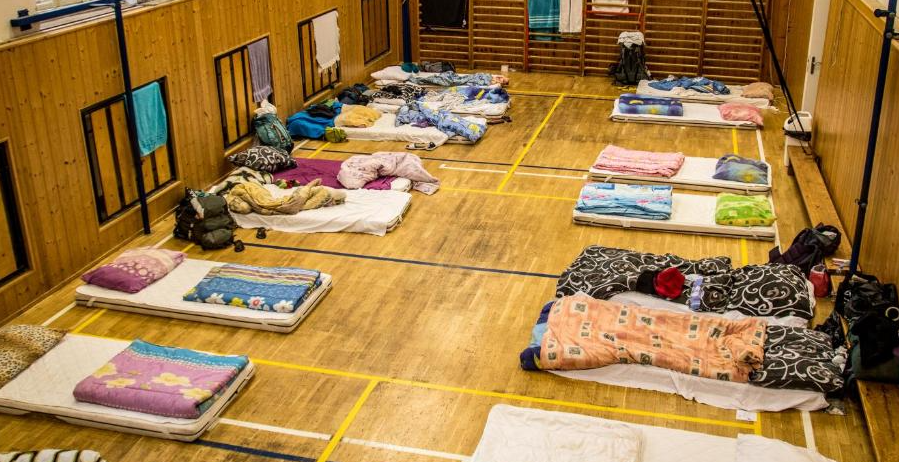
Accommodation Tips: Going Beyond Hotels
Accommodation is usually one of the significant contributors to travel expenses. However, affordable accommodation does not always mean compromising comfort and security. With the right choices and strategies, you can save significantly on accommodation costs.
Couchsurfing
Couchsurfing is a service that connects travelers with local hosts who are willing to offer a free sleeping area, often a couch or spare bed. In return, the traveler is usually expected to share their culture, stories, or sometimes help with household chores. It's a great way to meet locals and immerse yourself in the culture.
Hostels
Hostels provide budget-oriented accommodation where guests can rent a bed, often a bunk bed, in a dormitory and share common areas. Hostels often provide social events, catering to young travelers or backpackers.
Question: Are there cheap, yet safe accommodation options?
Certainly! Options such as Couchsurfing or staying in hostels, guesthouses, or budget hotels can help you save on accommodation. Always read reviews and take necessary precautions to ensure your safety.
Transportation Tips: Getting Around Without Breaking the Bank
Transportation is another substantial expense when traveling. Here are a few ways to save:
Travel Off-Peak
Flights and other forms of transportation can be significantly cheaper outside peak travel times. For example, flying on a Tuesday or Wednesday is typically cheaper than on weekends.
Use Public Transit
In many countries, public transit is an affordable way to get around. It also provides an immersive experience and an opportunity to interact with locals.
Question: How can I save on transportation?
To save on transportation, consider traveling off-peak, using public transportation, walking or cycling when possible, and researching on the cheapest, yet comfortable means of travel available in your destination.
Food Tips: Affordable Ways to Satisfy your Hunger
Food is another aspect of travel where costs can pile up quickly. However, there are affordable ways to satisfy your hunger while traveling.
Street Food
Street food is often cheaper than restaurant meals while offering a taste of local flavors.
Cooking Your Meals
If you have access to a kitchen, consider cooking your meals. It's a great way to save and can be a fun cultural learning experience.
Question: How can I save on food while traveling?
Street food is an affordable option, as is cooking your own meals if feasible. Planning your meals rather than eating out for every meal can save a lot.
Budget Travel Mindset
Saving on travel isn't just about budgeting, it's about adopting a mindset of resourcefulness and flexibility. A frugal traveler understands the value of experiences over possessions. They prioritize what is genuinely important for them during their trip and compromise on the rest.
Question: What's the fundamental philosophy behind budget travel?
The fundamental philosophy behind budget travel can be summed up in two words: resourcefulness and flexibility. Budget travelers understand the value of experiences over material goods and are willing to adapt to meet their budget needs.
Eating Cheaply While Traveling
Traveling on a budget doesn't mean you have to compromise on eating well. With a bit of creativity and resourcefulness, you can enjoy delicious and cost-effective meals. Here’s a guide to help you eat cheaply while exploring new destinations.
1. Convenience Store Combos
- Bread and Peanut Butter: A classic and filling option. Look for whole grain bread for a healthier choice.
- Instant Noodles and Fresh Veggies: Add some sliced vegetables to instant noodles for a more nutritious meal.
- Yogurt and Granola: A quick and healthy breakfast or snack.
- Pre-packaged Salads: Often discounted in the evening, making for a cheap, ready-to-eat dinner.
2. Local Markets and Street Food
- Farmers' Markets: Find fresh, local produce at lower prices than supermarkets.
- Street Food: Often the cheapest way to try authentic local cuisine.
- Bakeries: Pick up fresh bread or pastries, usually cheaper and more filling than restaurant meals.
3. Hostel Cooking
- Community Kitchens: Use hostel kitchens to cook simple meals. Pasta, rice, and canned beans are affordable staples.
- Shared Meals: Collaborate with fellow travelers for a group meal, sharing costs and ingredients.
4. Supermarket Smarts
- Store Brands: Opt for store-brand products, which are usually cheaper than well-known brands.
- Discount Sections: Check for discounted items or ‘day old’ sections, especially for baked goods.
- Ready-to-Eat Meals: Some supermarkets offer affordable pre-made meals.
5. Picnic Perfection
- DIY Sandwiches: Grab some deli meat, cheese, and bread for an easy picnic.
- Fresh Fruit and Cheese: Ideal for a light and budget-friendly lunch.
6. Take Advantage of Free Breakfasts
- Hostel Breakfasts: Many hostels offer free or very cheap breakfasts.
- Hotel Buffets: Fill up on a hearty breakfast if your accommodation offers it.
7. Happy Hour and Early Bird Specials
- Restaurants and Bars: Look out for happy hour deals for discounted food and drinks.
- Early Bird Dining: Some restaurants offer early dining discounts.
8. Reusable Water Bottle
- Tap Water: Fill up your water bottle with tap water if it's safe to drink, to avoid buying bottled water.
9. Coffee Shop Deals
- Refill Discounts: Some coffee shops offer discounts if you bring your own cup.
- Loyalty Programs: Join loyalty programs for free or discounted beverages.
10. Digital Coupons and Deals
- Coupon Apps: Use apps to find local deals and discounts on meals.
- Group Buying Websites: Check websites like Groupon for dining deals in your travel destination.
Eating cheaply while traveling requires a mix of planning, flexibility, and creativity. By combining convenient store-bought items, making the most of local markets and street food, and taking advantage of deals and kitchen facilities, you can enjoy a variety of meals without breaking the bank.
By using these tips, anyone can travel the world without emptying their bank accounts. It all comes down to being strategic, creative, and flexible. Exploring the world can be affordable if you open yourself to the spirit of budget-friendly wandering provided in this guide. Happy travels!