Arctic Adventures | Unforgettable Arctic Wildlife and Scenery Tours
For the intrepid explorer yearning for an experience beyond familiar landscapes and roads well-taken, the magic and mystery of the Arctic might be the answer. There is a paradoxical allure in the Arctic's desolate expanse of snow and ice. Through Spirit of Wandering, we aim to help you revel in the untouched wilderness, amazing wildlife, and breathtaking landscapes of the Arctic.
A Surreal Icy Wonderland
On an Arctic journey, the natural environment borders on the surreal. Here, sunlight lingers at midnight in summers, bathing the icy expanses in a soft ethereal glow. In winters, the world-renowned Northern Lights, a celestial ballet of green, purple, yellow, and red ribbons snaking across the starry sky, mesmerize.
Discover Pristine Nature
The Arctic holds some of the last untouched wildernesses on the planet. The serene landscape, covered dramatically with ice caps and punctuated with fjords, is a haven for countless species of wildlife.
Wildlife of the Arctic
In the icy wilderness, you have the chance to see some of the world's most elusive creatures. Robust and adaptable, the animals you encounter here, from the majestic polar bear to the nimble Arctic fox, are the epitome of survival against all odds. Frequently sought-after sightings include:
-
Polar Bears: Espied often on the sea ice or along the coastline, whereas in summer, they are typically found near the nutritious 'berry belt."
-
Arctic Fox: Spotting these nimble creatures camouflaged against the snow is a real treat. Arctic foxes can change their coat color depending on the season, adapting from a white winter coat to a brown or grey one in the summer.
-
Musk Oxen: These hardy creatures, resembling bison, sport a distinctive shaggy coat and curved horns. They often huddle in defensive formations when threatened, making for an impressive sight.
-
Sealife: The cold Arctic waters abound with life. Sightings could include seals sunbathing on icy rocks, pods of beluga whales or the intimidating, yet majestic narwhal with its unicorn-like tusk.
Breath-taking Landscapes
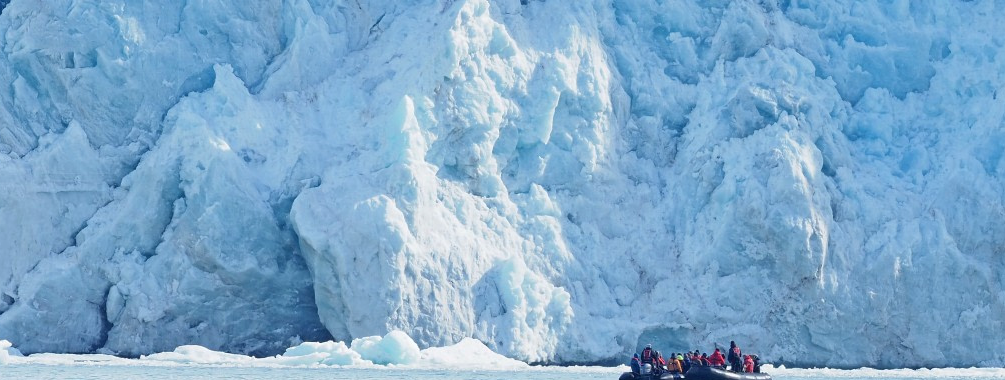
The tour offers majestic views from sprawling ice fields to towering icebergs. The landscapes incorporate vast tundra expanses, imposing glaciers and fjords, and panoramic sea-ice vistas. An Arctic tour is akin to stepping into a world that remains largely as it was when the earth was young.
Experience Arctic Adventure Activities
Exploration of the Arctic is not just limited to sightseeing from afar. A range of activities allow an up-close and personal encounter with the Arctic wilderness:
-
Snowmobiling: Cruise over the icy tundra, experiencing the thrill of gliding through the snow and the adrenaline rush of speed mixed with stunning landscapes.
-
Dog-sledding: Take the reins of a traditional dog sled and let the spirited huskies guide you over the snow-covered landscapes.
-
Cruise: Navigate through the gleaming icebergs, witness the awe-inspiring spectacle of glaciers calving, or spot various marine-life species.
-
Hiking: Arctic hikes are a chance to traverse the rugged terrain, explore untouched places, all while witnessing the stunning flora and fauna of the Arctic closeup.
-
Photographic tours: For the budding wildlife or landscape photographer, the awe-inspiring beauty of the Arctic offers countless opportunities to hone your craft.
The Best Time to Visit the Arctic?
While the Arctic holds its charm year-round, timing your visit to align with specific sights or experiences can heighten the wonder.
-
The Northern Lights (Aurora Borealis): Best viewed in dark, clear skies, this celestial spectacle generally occurs from late September to late March.
-
Wildlife: While the Arctic teems with wildlife throughout the year, spring and summer (April to September) are usually the best times for wildlife viewing.
-
Midnight Sun: This natural phenomenon occurs locally from late April to late August. During these months, the sun doesn't dip below the horizon, resulting in 24 hours of daylight.
Conclusion
Evidently, the Arctic, brimming with natural wonders and unique experiences, is an incredible choice for adventure enthusiasts. Amidst the wildlife and vast wilderness, you'll find serenity, exhilaration, and a renewed reverence for the world we inhabit. By journeying to the Arctic with Spirit of Wandering, you embark on an epic voyage at the edge of the Earth, a voyage that promises to be as enriching as it is exciting. Let this be your clarion call to adventure, a chance to step out of known boundaries, and surrender to the call of the wild.
FAQs
Q: Is it safe to travel in the Arctic?
A: Yes, with proper preparation and by following guidance from skilled local guides, traveling in the Arctic is safe.
Q: What clothes should I pack for an Arctic tour?
A: Dressing in layers is key. Waterproof outer layers, thermal inner layers, waterproof gloves, sunglasses, and sturdy insulated boots are must-haves.
Q: Is a visa required to visit the Arctic?
A: This depends on the part of the Arctic you are visiting. The Arctic region spans multiple countries, each with its own visa policy. Always check with your tour operator or embassy before you travel.
Q: What kind of accommodations are available in the Arctic?
A: Accommodations can range anywhere from luxury lodges with modern amenities to simple, comfortable accommodations designed for the intrepid traveler.
Q: Can I travel to the Arctic if I have dietary restrictions?
A: Yes, most tour operators can cater to various dietary requirements with prior notice.
Q: Are Arctic tours suitable for children?
A: Yes, there are many family-friendly tours available. However, due to the extreme conditions and nature of activities, it may not be suitable for very young children. Always check with your tour operator beforehand.
Q: Is it guaranteed to see wildlife in an Arctic tour?
A: While the chances are high, sightings of wildlife cannot be guaranteed due to the unpredictability of wild animals' patterns. Nonetheless, experienced tour operators have in-depth knowledge of the best times and places for wildlife sightings.
Q: How fit do I need to be for an Arctic adventure tour?
A: The level of physical fitness required depends on the specific activities chosen. However, a general level of fitness is advisable for the more active tours such as hiking or sledging.
Q: Can I join an Arctic tour if I am a solo traveler?
A: Absolutely! Arctic tours cater to all types of travelers whether you're on your own, with a partner, or family.
Staying Warm in Extreme Cold
Embarking on an adventure in the Arctic is a thrilling experience, but it also poses a unique challenge: staying warm in extreme cold conditions. Here are essential tips and strategies to ensure you stay warm and safe during your Arctic journey.
Understanding the Arctic Climate
Before diving into the specifics, it's important to understand the Arctic climate. The Arctic is characterized by long, harsh winters with temperatures often dropping well below freezing. Wind chill can significantly lower the perceived temperature, making it crucial to prepare adequately.
Layering: The Key to Warmth
Base Layer
- Material: Opt for moisture-wicking materials like merino wool or synthetic fibers.
- Purpose: The base layer should keep your skin dry by moving sweat away.
Middle Layer
- Material: Fleece or wool are ideal for insulation.
- Purpose: This layer traps body heat to provide warmth.
Outer Layer
- Material: Opt for a windproof and waterproof material. Examples include Gore-Tex, eVent, and H2No Performance Standard. These materials are designed to withstand harsh Arctic conditions, offering excellent protection against wind, snow, and rain.
- Features: Look for outer layers with sealed seams, adjustable hoods, and ample pockets. A longer cut can provide additional protection for the lower body.
- Considerations: Ensure the outer layer is breathable to allow moisture escape, preventing sweat buildup while maintaining warmth.
Footwear and Hand Protection
- Boots: Insulated, waterproof boots are a must. Ensure they have enough room for thick socks.
- Socks: Wool or wool-blend socks provide warmth and moisture control.
- Gloves: Waterproof and insulated gloves are necessary. Consider wearing glove liners for extra warmth.
Head and Face Coverage
- Headwear: A wool or fleece hat that covers your ears.
- Face Protection: A face mask or balaclava to protect against frostbite.
Additional Tips
Stay Dry
- Wet clothing loses insulation, so staying dry is crucial. Change out of damp clothes immediately.
Keep Moving
- Physical activity generates body heat. However, avoid sweating as it can lead to chills.
Nutrition and Hydration
- Eating high-energy foods and staying hydrated helps your body generate heat.
Wind Protection
- The wind can quickly remove body heat. Use shelters or natural windbreaks whenever possible.
Emergency Kit
- Always carry an emergency kit with extra warm clothing, a thermal blanket, and heat packs.
Conclusion
Staying warm in the Arctic requires careful planning and the right gear. By layering appropriately, protecting extremities, and being mindful of the unique challenges of the Arctic climate, you can safely enjoy the breathtaking beauty of this extreme environment. Remember, preparation is key to a successful and warm Arctic adventure.