Discovering Hidden Gems in Central Asia
Central Asia, a landlocked region nestled in the heart of the Asiatic continent, is an enchanting meld of sprawling landscapes, rich history, vibrant cultures, and delectable cuisine. For many travelers, this part of the world remains a hidden gem, far removed from the beaten tourist tracks. Yet, those who venture into these less explored territories are rewarded with myriad once-in-a-lifetime experiences. In this comprehensive guide, we at Spirit of Wandering, aim to reveal some of these undiscovered treasures and ignite your urge to explore.
What Makes Central Asia Special?
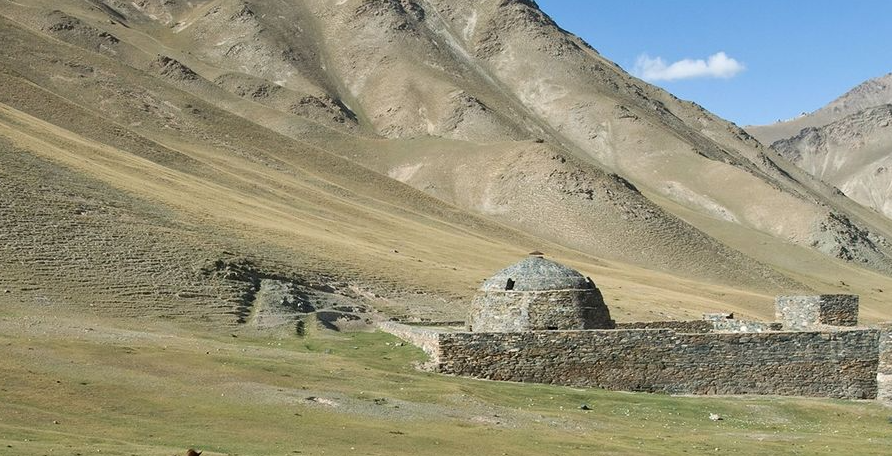
Central Asia, made up of five countries: Kazakhstan, Kyrgyzstan, Tajikistan, Turkmenistan, and Uzbekistan, holds a significant historical and cultural allure. Throughout antiquity, the region was the lifeblood of the Silk Road, which brought about a diverse mix of cultures. This region now offers a unique blend of nomadic, Persian, and Turkic influences visible in its architecture, traditions, hospitality and food.
- Breathtaking Landscapes
Central Asia is a canvas of dazzling landscapes — from the snow-capped peaks and pristine alpine lakes of the Tian Shan mountains, the seemingly endless steppe of Kazakhstan, to the stunning shifting sand dunes of the Karakum Desert in Turkmenistan.
- Rich Historical Spots
The region’s history, from Persians to nomads and Silk Road trade, has left imprints that remain preserved today. Visit the ancient cities of Samarkand and Bukhara in Uzbekistan, once at the heart of the Silk Road, boasting centuries-old architectural masterpieces like the Registan Square and Ark Fortress.
- Vibrant Cultures
Experience the diverse cultures of the materials absorbed by the Silk Road, from the nomadic yurt dwellers in Kyrgyzstan's highlands to the lively bazaars in Turkmenistan's cities. Witness local artisans crafting handmade goods and be part of local festivities like Nowruz — the Persian New Year.
- Delectable Cuisine
Feed your gastronomic curiosity with a variety of delicious Central Asian foods. Try Beshbarmak, a hearty Kazakh meat dish, plov, Uzbekistan's national dish of spiced rice, meat, and vegetables, or Somsa, a popular pastry filled with meat or vegetables.
- Unique Wildlife and Nature Reserves
Central Asia's diverse ecosystems, ranging from deserts to high mountains, are home to unique wildlife. The region's nature reserves, like the Altyn Emel National Park in Kazakhstan and the Sary-Chelek Biosphere Reserve in Kyrgyzstan, protect rare species such as the snow leopard, the Central Asian lynx, and the Bukhara deer. These reserves offer opportunities for ecotourism and wildlife observation, providing a glimpse into the rich natural heritage of Central Asia.
Defining Central Asia
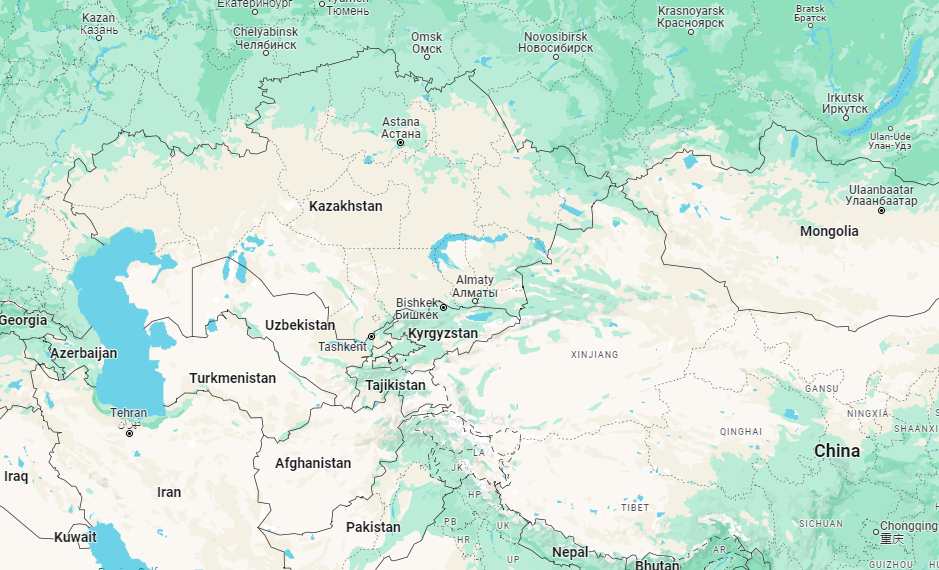
Central Asia, a vast region located primarily in the heart of the Asian continent, encompasses an area rich in history, culture, and geographical diversity. This region is traditionally considered to comprise five countries, each with its distinct identity yet sharing common historical and cultural threads.
Countries of Central Asia
-
Kazakhstan: The largest country in Central Asia, Kazakhstan is known for its vast steppes and significant economic prowess, largely due to its abundant natural resources.
-
Kyrgyzstan: Characterized by its mountainous terrain, Kyrgyzstan is renowned for its natural beauty and deep-rooted nomadic culture.
-
Tajikistan: Dominated by the Pamir and Alay Mountains, Tajikistan is steeped in history, with a landscape marked by rugged mountains and rich in mineral resources.
-
Turkmenistan: Famous for its Karakum Desert and rich in gas reserves, Turkmenistan is a land of contrasting landscapes and a unique cultural heritage.
-
Uzbekistan: Known for its historic cities like Samarkand and Bukhara, Uzbekistan lies at the heart of the Silk Road and is a melting pot of cultures with a rich architectural legacy.
Near Central Asia
While the core of Central Asia is commonly identified as the five countries of Kazakhstan, Kyrgyzstan, Tajikistan, Turkmenistan, and Uzbekistan, the broader region can sometimes include parts of neighboring countries based on historical, cultural, and geographical contexts. These areas, often considered to be "Near Central Asia," extend the region's influence and reflect its diverse heritage.
Adjacent Areas
-
Afghanistan: Often included in a broader definition of Central Asia due to its significant historical and cultural ties with the region, especially in terms of the Silk Road and historical empires.
-
Mongolia: Geographically adjacent, Mongolia shares several historical and cultural aspects with Central Asia, notably the nomadic heritage and historical interactions through various empires and trade routes.
-
Western China: Particularly the Xinjiang region, which is home to the Uyghur ethnic group. This area is culturally and historically linked to Central Asia through shared Turkic heritage and as part of the Silk Road.
-
Southern Russia: Regions such as Siberia and the Russian Far East are sometimes considered part of a broader Central Asian context due to their geographical proximity and historical connections, including the era of the Mongol Empire and the Silk Road.
Geographical and Cultural Significance
-
Historical Crossroads: Central Asia has historically been a crossroads of civilizations, playing a pivotal role in the Silk Road trade network, which connected the East and West.
-
Cultural Melting Pot: The region has witnessed a confluence of various cultures, including Persian, Turkic, Mongol, and Russian influences, creating a unique cultural mosaic.
-
Geographical Diversity: From the vast Kazakh steppe and the mountainous landscapes of Kyrgyzstan and Tajikistan to the deserts of Turkmenistan and the fertile valleys of Uzbekistan, Central Asia offers an array of diverse ecosystems.
Conclusion
Central Asia, with its blend of diverse cultures, historical significance, and varied landscapes, stands as a region of immense importance and intrigue. Its countries, each with their unique characteristics, contribute to the rich tapestry that defines this fascinating part of the world.
What Are Some Must-Visit Destinations in Central Asia?
While every corner of Central Asia holds its unique charm, here are some must-visit destinations that showcase the region's variety of experiences.
- Almaty, Kazakhstan
Almaty, once the capital of Kazakhstan, now acts as the country’s cultural and commercial hub. From the panoramic vistas atop Kok-Tobe hill to strolling around Panfilov Park, enjoying a ballet at the Abay Opera House, or skiing in nearby Shymbulak, Almaty has it all.
- Bishkek, Kyrgyzstan
Bishkek serves as an excellent base for exploring Kyrgyzstan’s fantastic natural scenery. Start with the Ala-Too square, visit the State History Museum, the bustling Osh Bazaar, and when energy permits, trek to the exquisite Alpine Lake Ala-Kol.
- Samarkand, Uzbekistan
This city, laden with turquoise domes and intricate mosaics, is a feast for the senses. Marvel at the magnificent Registan Square, Gur-e-Amir Mausoleum, Bibi-Khanym Mosque, and the enchanting Shah-i-Zinda necropolis.
- Ashgabat, Turkmenistan
Ashgabat, Turkmenistan’s capital with its gleaming white marble buildings and grandiose monuments, is an architectural spectacle. See the Arch of Neutrality, Gypjak Mosque, or visit the sprawling Sunday bazaar.
- Dushanbe, Tajikistan
Dushanbe, the capital of Tajikistan, is a city where modernity meets tradition. Visit the Hissor Fortress, explore the lush Botanical Garden, and admire the grandeur of the Dushanbe Flagpole. The city is also a gateway to the Fan Mountains, offering breathtaking trekking opportunities.
- Khiva, Uzbekistan
Khiva is a living museum of history and architecture, with its walled inner town, Itchan Kala, preserving more than 50 historic monuments and 250 old houses. The Kunya-Ark Fortress, Kalta-Minor Minaret, and the Juma Mosque are must-sees for their intricate designs.
- Tashkent, Uzbekistan
Tashkent, the capital of Uzbekistan, blends the ancient with the modern. Explore the Chorsu Bazaar, the State Museum of History of Uzbekistan, and the beautiful metro stations. The city is a cultural melting pot, offering a diverse culinary scene and vibrant markets.
- Nur-Sultan, Kazakhstan
Nur-Sultan, the futuristic capital of Kazakhstan, is known for its avant-garde architecture. Key attractions include the Bayterek Tower, Nur-Astana Mosque, and the Palace of Peace and Reconciliation. The city's modern skyline is a stark contrast to the vast Kazakh steppes.
- Osh, Kyrgyzstan
Osh, one of the oldest cities in Central Asia, is famous for its Sulaiman-Too Sacred Mountain, a UNESCO World Heritage site. The city's rich history is evident in its bazaars, mosques, and the unique Osh National Historical and Archaeological Museum Complex.
What Are Some Travel Tips for Central Asia?
Traveling to less-trodden paths like Central Asia, proper research and preparation are crucial. Here are some crucial tips:
- Visa Process
Check the visa requirements for your nationality for each country in Central Asia. For example, Kazakhstan and Kyrgyzstan are visa-free for many nationalities, whereas Uzbekistan and Turkmenistan require visas with an invitation.
- Best Time to Visit
Generally spring (March to June) and autumn (September to November) offer the most pleasant weather. Summers can be scorching in the deserts yet chilly in the mountains. Winters may be very harsh and cold, especially in mountainous areas.
- Currency and Cards
Cash is king in this region, given the limited acceptance of cards. Each country uses its currency; thus, multiple currency exchanges may be required.
- Safety and Respect for Local Customs
While Central Asia is generally safe for tourists, it's essential to respect local customs, particularly in more remote areas or religious sites. Dress modestly, avoid public criticisms of social and political issues, and always ask permission before taking photos of locals.
Let Central Asia’s allure captivate your spirit of adventure. And by following this guide, your journey into this hidden gem will truly be enriching, enlightening, and unforgettable. Remember, the world is full of unseen beauty waiting for our footsteps. So, pack your bags and let’s start exploring!