Spiritual Sites in the Indian Subcontinent
Experience a Divine Journey
The Indian subcontinent, home to several world religions, embraces an array of exquisite and spiritually significant sites. It's also not a bad place for backpacking. These sacred places comprise ancient temples, hallowed shrines, resplendent monasteries, and more. This article aims to guide you through some of the most remarkable spiritual sites across the Indian subcontinent.
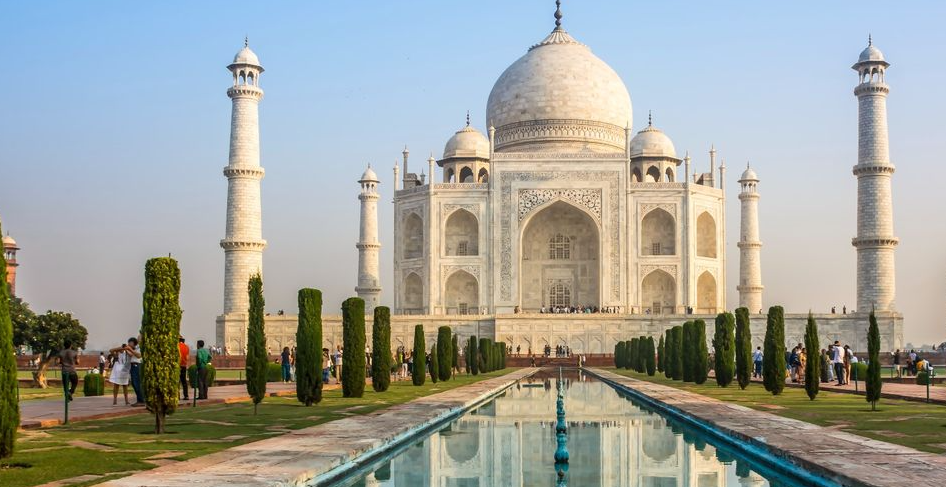
The Immensity of Indian Spirituality: Temples and Holy Places
Varanasi, India
Varanasi, also known as Kashi or the city of temples, is one of the most significant pilgrimage sites in India. Temple bells resound through the city, infusing it with a divine aura. The holy Ganges River, adorning the city, is considered the locus of purification. Devotees flock towards ghats (riverfront steps) for ritualistic bathing, believing it purifies their souls.
The renowned Kashi Vishwanath Temple, dedicated to Lord Shiva, stands as the city’s spiritual epitome. Varanasi is believed to be the abode of Shiva; therefore, a visit to this temple becomes essential for any spiritual pursuit.
Why is Varanasi considered a crucial pilgrimage site?
Varanasi is considered the spiritual capital of India, containing 2000+ temples. It is also believed that dying in Varanasi grants moksha (liberation from the cycle of birth and death) making it a significant pilgrimage site for Hindus.
Rameswaram, India
Rameswaram is a tranquil island, nestled between peninsular India and Sri Lanka, holding immense religious significance for Hindus. The magnificent Ramanathaswamy Temple, with its intricate corridors and colossal sculpted pillars, is a marvel of Dravidian architecture.
Why is a visit to Rameswaram considered holy?
According to the Hindu epic, Ramayana, Rameswaram is where Lord Rama built a bridge across the sea to rescue his consort Sita from the demon-king Ravana. Hence, Rameswaram is considered as sacred as Varanasi.
Discovering Buddhism in the Indian Subcontinent – Monasteries
Bodhgaya, India
Bodhgaya, renowned as the birthplace of Buddhism, is where Prince Siddhartha Gautama attained enlightenment as the Buddha. Sitting beneath a sacred Bodhi tree (descendant of the original tree), Mahabodhi Temple stands as a testament to this significant event, attracting Buddhists globally.
Why is Bodhgaya important for Buddhists?
Bodhgaya, where Buddha achieved enlightenment, is one of the four most sacred Buddhist pilgrimage sites. The other three are Kushinagar, Lumbini, and Sarnath.
Dharamshala, India
In the serene lap of the Himalayas, Dharamshala serves as the home for many Buddhist monasteries. The prime attraction is Tsuglagkhang Complex, the abode of His Holiness Dalai Lama. This peaceful retreat offers teachings of Buddhism and meditation sessions.
How is Dharamshala related to Tibetan Buddhism?
When the 14th Dalai Lama fled Tibet due to the Chinese invasion, he took refuge in Dharamshala. His presence made the town a center for the study of Tibetan Buddhism.
Boudhanath Stupa, Nepal
Located in Kathmandu, Boudhanath Stupa is the largest stupa globally, significant for Tibetan Buddhism. Marveled for its colossal dome structure, it is believed that the Stupa contains the remains of the Kassapa Buddha.
Why is Boudhanath Stupa important for Tibetan Buddhists?
Boudhanath Stupa is considered the holy place of meditation and prayers for Tibetan Buddhists. Many refugees settled around Boudhanath Stupa when they fled Tibet in the 1950s, making it an important cultural center for the Tibetan diaspora.
Hemis Monastery, India
Overlooking the destructive flow of the Indus River in Ladakh is the Hemis Monastery. The beautiful, snow-clad mountains enveloping the monastery add to the tranquil aura of the place.
What is unique about Hemis Monastery?
Hemis Monastery is known for its annual Hemis Festival, held in honor of Padmasambhava, the founder of Tibetan Buddhism. The monastery’s rich collection of ancient remnants like the statue of Buddha made of copper, stupas made of gold and silver, sacred thangkas, and murals make it unique.
Conclusion
The Indian subcontinent, with its rich spiritual heritage, offers an array of sacred sites for spiritual seekers. Each place, steeped in divinity and tranquillity, provides a unique and fulfilling spiritual experience for seekers. Whether you wish to delve deeper into Hinduism or explore the essence of Buddhism, consider this guide to embark on a divine journey across the Indian subcontinent. Remember, spiritual journeys are personal explorations that can offer profound realizations and peace beyond understanding.